
Glass processing
Glass has remarkable properties: it is hard and brittle at the same time. To improve the performance of glass structures for specific needs and to decorate them, EKIPAZH offers several ways of enhancing glass.
Compare
Technical specifications
Glass has remarkable properties: it is hard and brittle at the same time. To improve the performance of glass structures for specific needs and to decorate them, EKIPAZH offers several ways of enhancing glass.

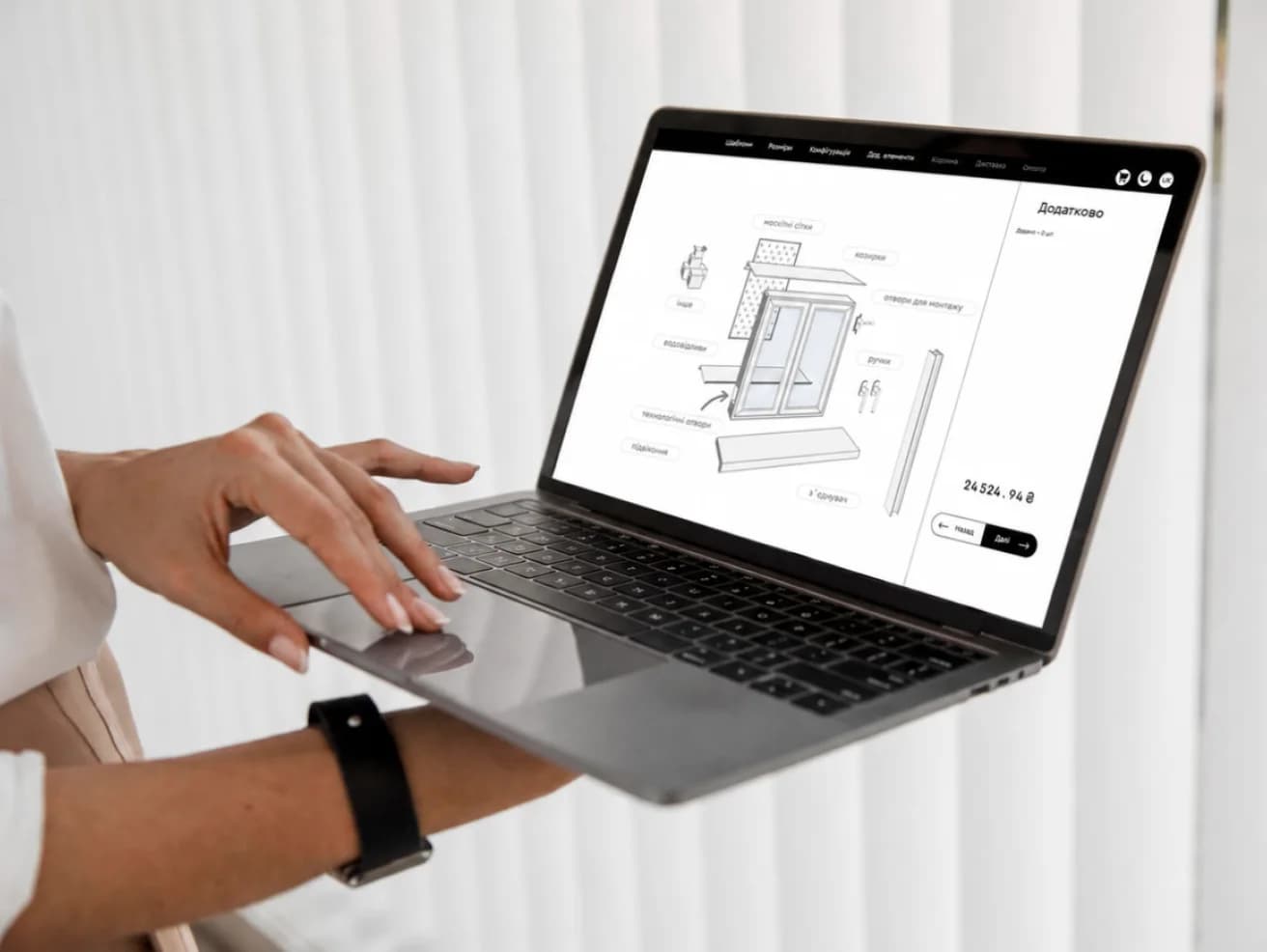
Window and door calculator
Work out an approximate price for your unit in a few steps: choose the product type, size, colour, configuration and extras.





Have a question?
Get a guide price for your order in just a few minutes.Our manager will get in touch to clarify the details.
Step 1 of 3
How can we help?
Choose the option closest to your request

Edge arrissing, grinding and polishing
After a glass blank is cut, its edges are left with irregularities and chips that need to be removed. A series of edge processing steps gives you a smooth, neat and safe edge. Edge processing of glass blanks involves arrissing the sharp edge, then grinding and polishing it. This makes the glass safe to use and gives it an attractive appearance. Edges can be processed on straight blanks as well as on shaped blanks of non-standard form.
Milling
Glass is widely used in a great variety of industries. That makes it essential to produce high-quality holes that fully match the drawings and the customer's needs. Milling means making holes in glass for fixing hardware, holes for electrical fittings and much more. Milled cut-outs can have many different shapes.
Drilling and countersinking
Drilling holes of various diameters in glass so that it can then be fitted into hardware elements: hinges, locks, fixings.
Countersinking is used to process the entry side of holes to create conical and cylindrical recesses and bearing surfaces around holes, or to chamfer centre holes. It is applied as additional processing of drilled holes for hardware fasteners.