
Glass heat treatment
Heat treatment makes glass stronger and more resistant to thermal and mechanical loads. The glass goes through controlled heating and cooling, which improves its performance and makes it suitable for window, facade and other structures.
Compare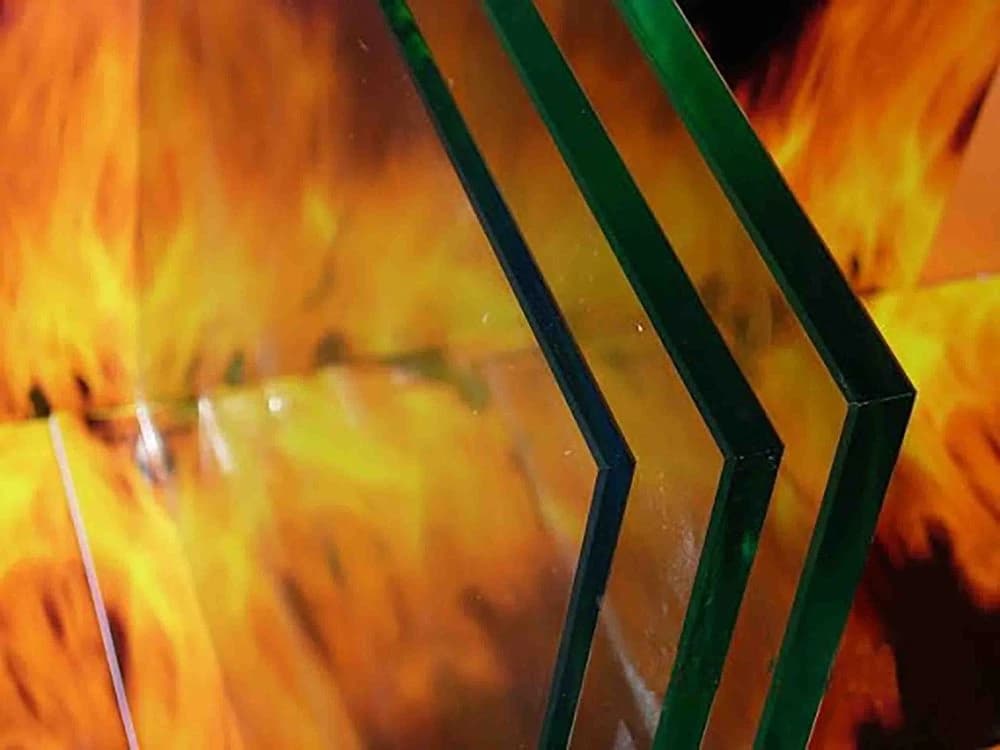
Technical specifications
Heat treatment makes glass stronger and more resistant to thermal and mechanical loads. The glass goes through controlled heating and cooling, which improves its performance and makes it suitable for window, facade and other structures.
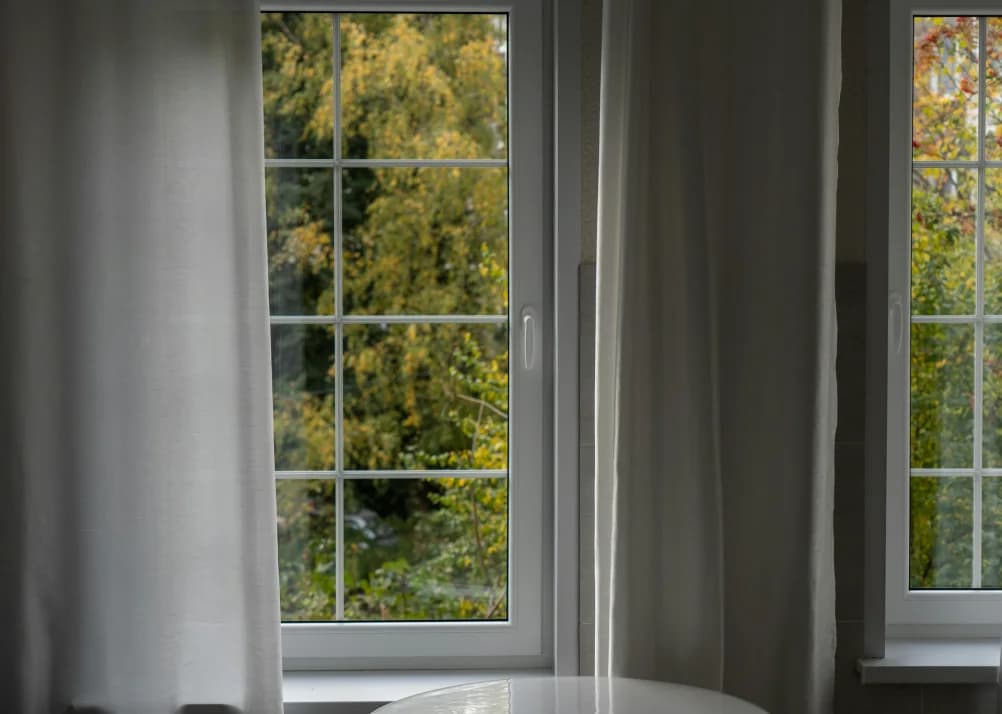
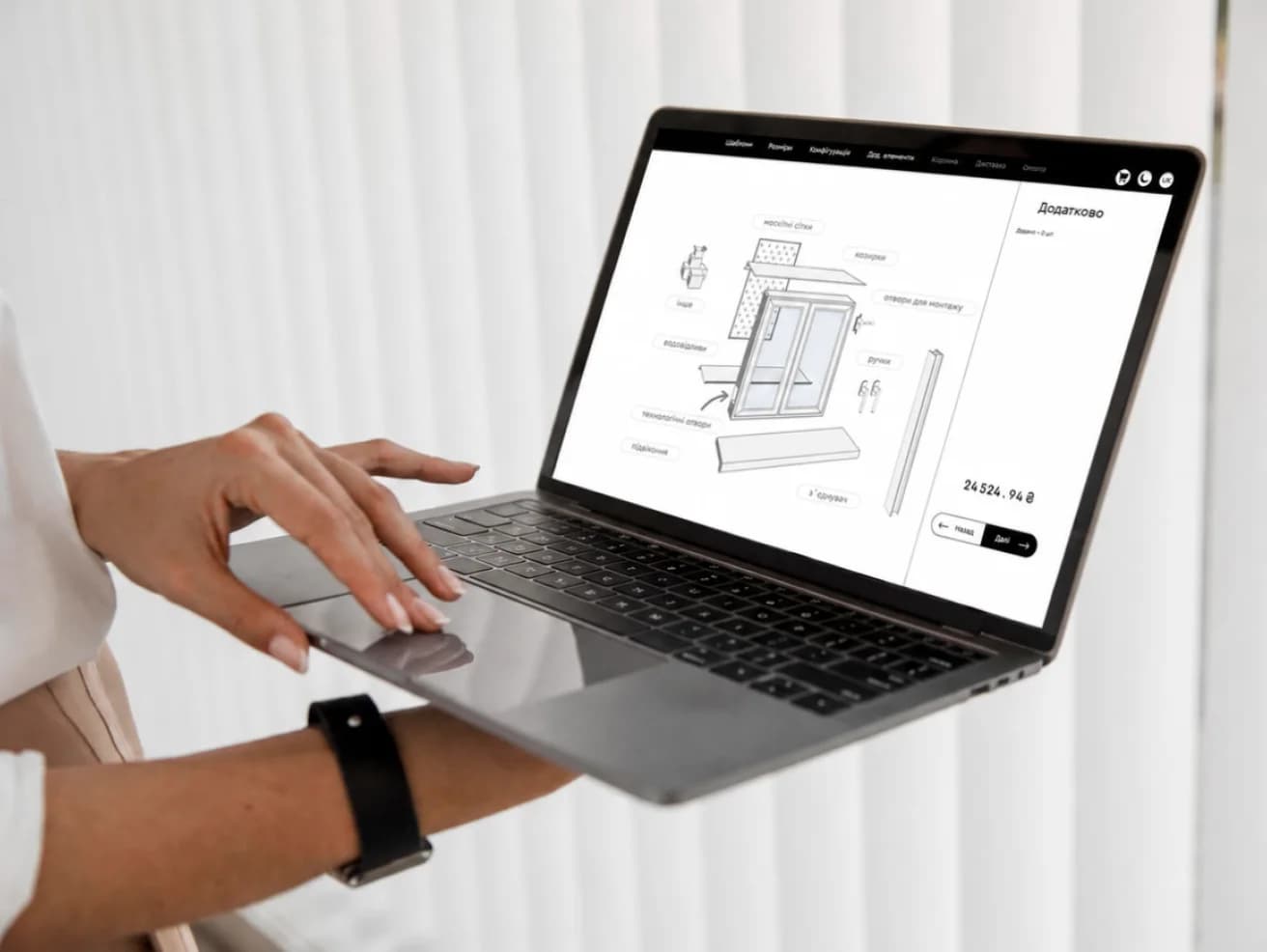
Window and door calculator
Work out an approximate price for your unit in a few steps: choose the product type, size, colour, configuration and extras.



Have a question?
Get a guide price for your order in just a few minutes.Our manager will get in touch to clarify the details.
Step 1 of 3
How can we help?
Choose the option closest to your request

Glass toughening
This glass is most often used where requirements for people's safety are higher. When it breaks, it shatters into many small fragments with blunt edges that cannot cause serious injury. Toughened glass is safety glass and withstands temperature differences of 200 °C.
Heat strengthening
Heat-strengthened glass is used when the risk of thermal shock needs to be reduced. This glass is not safety glass. When it breaks, it forms large sharp fragments that stay in the frame rather than scattering. It withstands temperature differences of 100 °C and is most often used to make structural glazing units for south-facing facades, or as part of laminated safety glass for glass canopies, roofs or floors.
Glass laminating
Laminated glass consists of glass sheets firmly bonded together with a special interlayer. It offers excellent safety, strength and sound insulation. Laminating is used for decorative glass and for glass in cars, portholes, sliding wardrobes and elsewhere.